The Tournament That Captivated the World

11 June 2026 — 19 July 2026

United States · Canada · Mexico
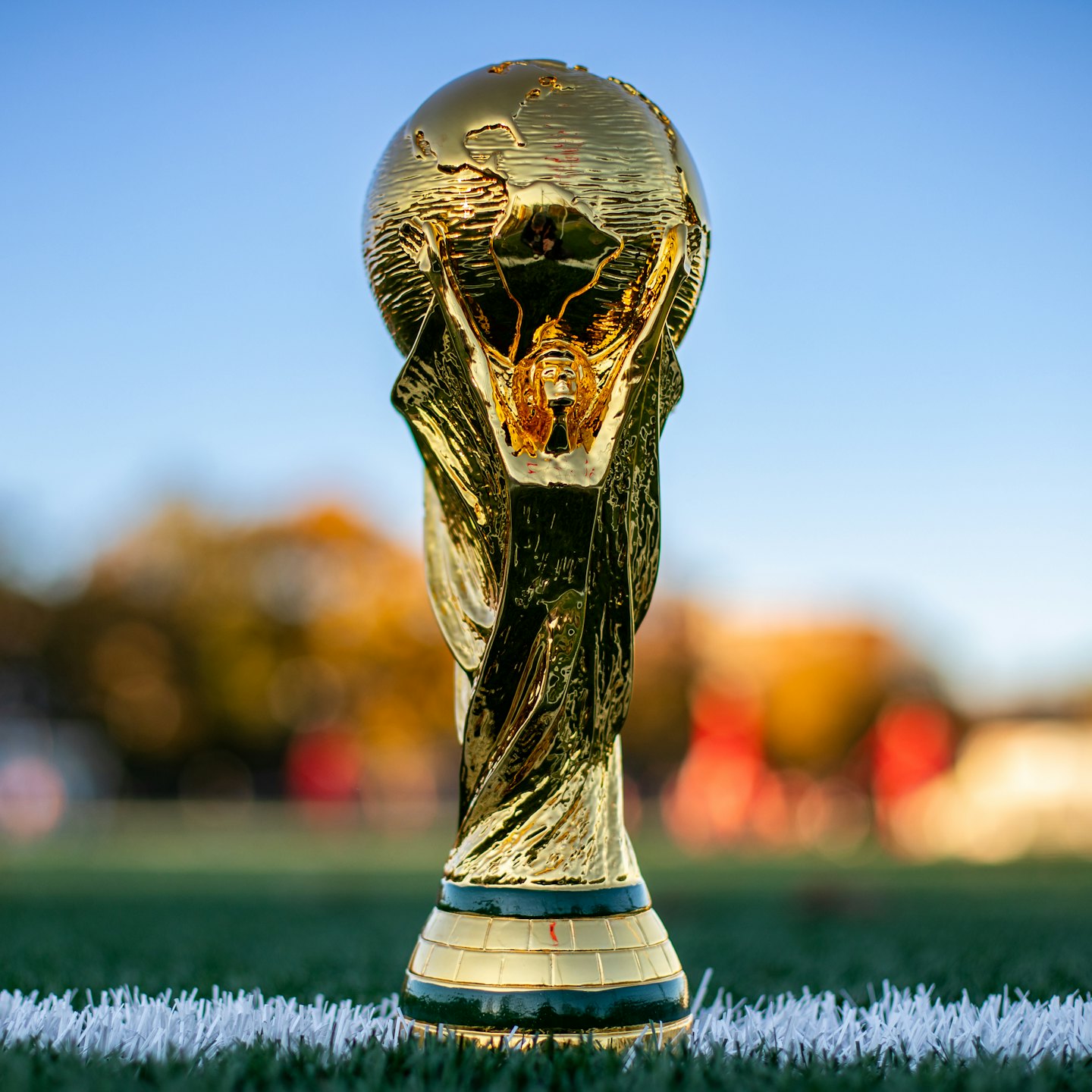
The FIFA World Cup 2026 made history as the first ever 48-team World Cup, hosted across three nations — the United States, Canada, and Mexico. From the opening match in Mexico City on 11 June 2026 to the dramatic final at MetLife Stadium in New Jersey on 19 July 2026, the tournament delivered six weeks of unforgettable football across 16 iconic host cities.
What you will find on this page
This page brings together the complete data story of FIFA World Cup 2026 — every result, every group table, and the tournament’s top scorers — all powered by live football data and presented through the Football Analytics Project platform.
- Full results from every stage — group stage through to the final
- Group standings showing how every nation performed
- Top scorers from the tournament
Comprehensive Insights into Tournament Stats
This page brings together the complete data story of FIFA World Cup 2026 — every result, every group table, and the tournament’s top scorers — all powered by live football data and presented through the Football Analytics Project platform.
12
Groups
- Full results from every stage — group stage through to the final
104
Matches Played
Group standings showing how every nation performed
48
Nations
Top scorers from the tournament
Key facts block
Tournament dates:
11 June 2026 — 19 July 2026
Host nations:
United States · Canada · Mexico
Host cities:
New York/New Jersey · Los Angeles · Dallas · San Francisco · Seattle · Boston · Miami · Atlanta · Kansas City · Houston · Philadelphia · Guadalajara · Mexico City · Monterrey · Toronto · Vancouver
Teams:
48 nations · 12 groups · 104 matches
Winner:
🏆 Spain — World Cup 2026 Champions
Final:
Spain 1–0 Argentina (a.e.t.) · Ferran Torres 106′ · MetLife Stadium, New Jersey
Third place:
England 6–4 France · Miami Stadium
Tournament Overview
Discover the key details of the FIFA World Cup 2026, from teams and venues to the schedule and tournament format.

Phase One: Qualification
Teams from around the world compete in qualifiers to secure their spot, setting the stage for the global showdown.

Phase Two: Group Stage
Thirty-two national teams face off in group matches, battling for a place in the knockout rounds.

Phase Three: Knockout Rounds
The top teams advance to elimination rounds, where every match could mean glory or defeat.
The Story of the Tournament
What began as a historic expansion of the World Cup format quickly became a tournament for the ages. Forty-eight nations competed across twelve groups, producing moments of brilliance, heartbreak, and drama that will be remembered for generations.
Spain emerged as worthy champions — conceding just one goal throughout the entire tournament and defeating some of the world’s finest teams on their way to lifting the trophy for the second time in their history. Argentina, bidding to become the first nation in over sixty years to retain the World Cup, pushed Spain all the way to extra time in a final that gripped the world.
England produced their finest World Cup performance since winning on home soil in 1966, claiming third place in a breathtaking 6–4 victory over France — a match that showcased everything that makes this tournament the pinnacle of international football.